March 28, 2026
Interlock Restoration Hamilton: Save Money and Improve Curb Appeal
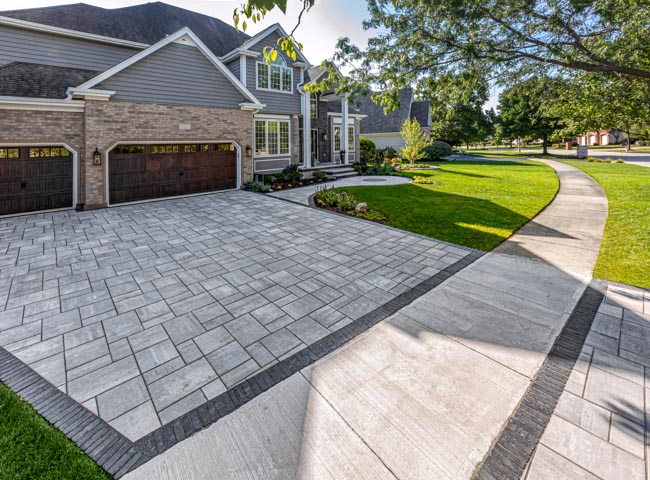
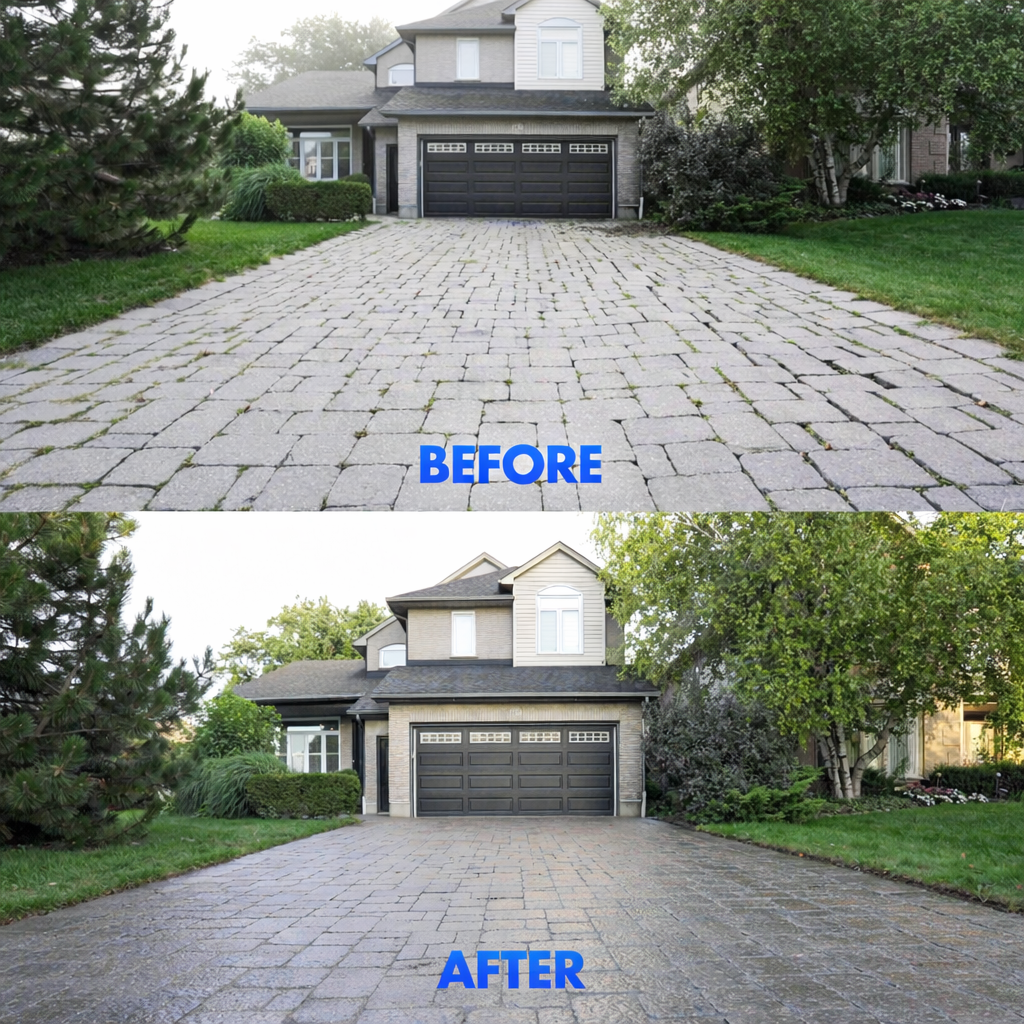
Looking for interlock restoration in Hamilton? Got weeds? Sunken bricks? Missing sand? Professional cleaning, polymeric sand installation, and sealing can restore your driveway or patio at a fraction of the cost of replacement and refresh your entire property.
Interlock Restoration Hamilton: Save Money and Restore the Surface You Already Love
Weeds growing between your pavers. Sections that have sunk or shifted. Sand that has washed away, leaving joints open and unprotected. These are some of the most common calls we receive at A.D.S. Wash & Seal, and in most cases, the homeowner’s first instinct is that the entire driveway or patio needs to come out.
It usually doesn’t.
For over 15 years, we have been restoring interlock driveways and patios across Hamilton, Ancaster, Burlington, Waterdown, Dundas, Stoney Creek, Grimsby, and Beamsville. The right restoration process, done with the right materials and equipment, can bring a worn, tired surface back to life at a fraction of the cost of replacement.
What Interlock Restoration Actually Involves
Interlock restoration is not a one-day job. Because each stage depends on the previous one being properly completed and dried, a full restoration typically takes place over four to five days.
Day 0 — Lift and Relay (if applicable)
Before any cleaning begins, we address any sunken or shifted sections. This step happens first because once we clean and sand, we don’t want to disturb the surface again.
Day 1 — Power Washing
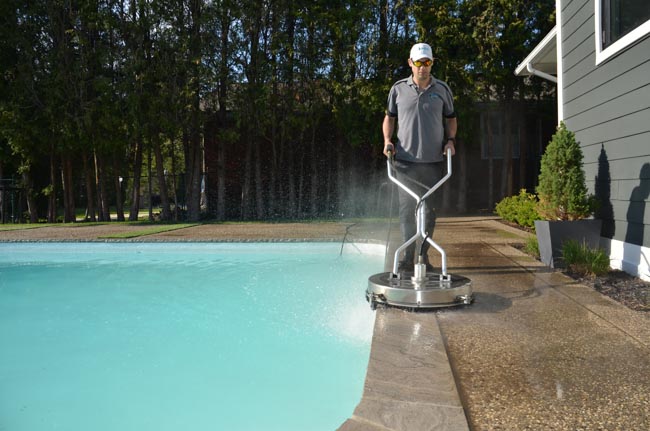
We power wash the entire surface using truck-mounted industrial equipment. Our machines operate at a significantly higher level of cleaning units — enough to fully flush out the old joint sand, remove organic growth, and clean the face of each paver without damaging it. We clean out 80 to 90 percent of the existing sand from the joints.
We have seen other companies clean out only 40 percent of the sand, which means the surface looks clean initially but performs poorly within a year or two as weeds return and the joints fail.
Day 2 — Polymeric Sand Installation
Once the surface is fully dry, we sweep commercial-grade polymeric sand into all joints and compact it using professional tamping equipment. Excess sand is carefully blown off the surface to prevent hazing. The sand is then activated using multiple light misting passes — not a heavy soaking, which is one of the most common mistakes that causes hazing.
Day 3 (weather permitting) — Sealer Application
Once the polymeric sand is fully dry and cured, we apply two coats of premium masonry satin sealer with our non-slip Shark Grip additive. The additive is invisible on the surface but provides meaningful traction underfoot. The satin finish enriches and enhances the natural colours of the pavers without producing a loud, wet-look gloss.
Why Commercial-Grade Polymeric Sand Matters
Not all polymeric sand is the same. The bags available at hardware stores are not the same product we use, and the difference shows up quickly — especially after a Hamilton winter.
Consumer-grade sand tends to wash out in heavy rain, crumble after freeze-thaw cycles, and leave a hazy residue if not activated perfectly. We have been using the same commercial-grade product for 15 years. It binds harder, holds up through winter, and resists washout in a way the consumer product does not.
Lift and Relay: When Restoration Goes Deeper
Sometimes the problem is not just the surface — it is what is underneath. When sections have sunk, shifted, or are holding water, we perform a lift and relay before proceeding with the restoration.
A typical lift and relay involves:
- Carefully lifting and stacking all affected interlock bricks
- Assessing and rebuilding the base using high-performance bedding (HPB)
- Relaying the bricks to restore a flat, uniform surface
- Repairing or installing edge restraints as needed
- Proceeding with the full restoration: pressure washing, polymeric sand, and sealer
Real example: We were called to a Hamilton home where the homeowner had already received quotes to tear out the entire driveway and pour concrete. After assessment, we lifted the sunken sections, corrected the base, relayed the bricks, cleaned the entire surface, installed new polymeric sand, and sealed everything. The homeowner saved thousands of dollars and kept the driveway they had always loved.
What We Find When We Fix Other Companies’ Work
Insufficient Joint Cleaning
The most common issue is that the old sand was only partially removed before new sand was installed. The surface looks fine for the first year, but by year two the weeds are back. Proper joint cleaning means removing 80 to 90 percent of the existing sand.
Hazing
Hazing occurs when the sand is over-watered during activation and the polymer compounds migrate onto the surface of the bricks, leaving a milky, cloudy film. Correcting it requires chemical treatment and a redo of the project from the start.
Sealing Over Efflorescence
Efflorescence is a salt compound that naturally migrates out of new or newer interlock bricks over the course of the first year. If sealer is applied before this process is complete, the finish looks hazy or uneven. On newer pavers, we always recommend allowing the bricks to age a full year before sealing.
Why DIY Interlock Restoration Usually Falls Short
Even a strong gas-powered residential pressure washer does not come close to matching the cleaning performance of our truck-mounted industrial machines. Without sufficient cleaning power, the old sand and organic material cannot be fully removed.
Beyond equipment, the margin for error on polymeric sand activation, sand depth, tamping, and sealer application is narrow. Each step affects the next. For most homeowners, attempting this themselves results in either a substandard finish or calling a professional to redo it correctly — doubling the cost.
Benefits of Professional Interlock Restoration
- Restore colour and appearance — cleaning and sealing brings the surface back to life
- Dramatically reduce weed growth — polymeric sand makes it far harder for weeds to establish
- Improve water drainage — lift and relay corrects low spots and pooling areas
- Easier ongoing maintenance — sealed surfaces clean more easily and resist staining
- Non-slip protection — Shark Grip additive provides additional traction
Our Don’t Pay Until You’re Satisfied Guarantee
Every job we complete at A.D.S. Wash & Seal is backed by our Don’t Pay Until You’re Satisfied guarantee. We do not take deposits. We complete the work, and then we ask for payment.
After 15 years working on properties across Hamilton, Ancaster, Burlington, Waterdown, Dundas, Stoney Creek, Grimsby, and Beamsville, that guarantee reflects how we approach every job.
Get a Free Estimate
If your driveway or patio is showing signs of wear, chances are restoration is the right solution.
Call us at 905-515-2992 or visit our contact page to book your free estimate. Every job is backed by our Don’t Pay Until You’re Satisfied guarantee.
Frequently Asked Questions
How long does interlock restoration last?
With proper polymeric sand and sealer installation, most restorations last 3 to 5 years depending on traffic levels, weather exposure, drainage, and maintenance.
What is the difference between restoration and lift and relay?
Restoration focuses on cleaning, re-sanding, and sealing the existing surface. Lift and relay is used when sections have sunk or shifted and need to be lifted, corrected underneath, and reinstalled level.
Will restoration get rid of weeds?
Yes. Restoration removes existing weeds and organic growth, and the installation of new commercial-grade polymeric sand makes it significantly harder for weeds to return.
Does sealed interlock become slippery?
When done properly, no. We add Shark Grip to all sealer applications — a fine particle additive that is invisible on the surface but provides meaningful traction underfoot.
What is efflorescence and should I be concerned?
Efflorescence is a natural salt compound that migrates out of new interlock bricks over their first year. It appears as a white or chalky residue. We recommend allowing new bricks to age a full year before sealing so it can fully disperse.
Can you fix a restoration done by another company?
Yes. We regularly get called in to address issues like excessive weed return, hazing from improper sand activation, and poor sealer adhesion.
What is your Don’t Pay Until You’re Satisfied guarantee?
We do not take deposits. We complete the full job and then ask for payment — you inspect the work before any money changes hands.
Do you restore interlock for commercial properties?
Yes. We work on both residential and commercial properties throughout the region. Contact us to book a free in-person estimate.